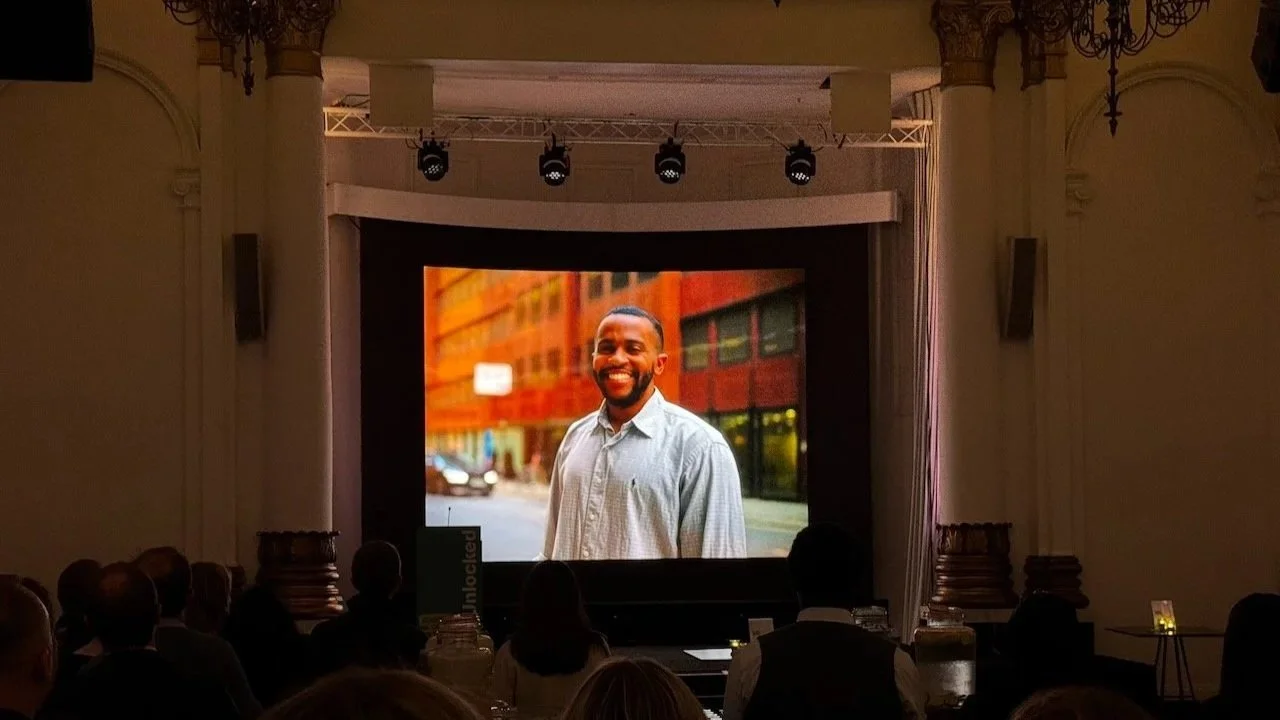
Every film comes with problems. Some are nicer than others. In October, How to Change a System opened Unlocked Graduates' ten-year celebration, marking the close of a charity that spent a decade putting graduates on the frontline of our prisons. Here’s our Director Guy Saville on the nice problems that came with it, starting with the nicest of all: everyone being too nice.
One of the warmest interviews we shot for How to Change a System never made the film. Two prison officers, swapping stories, clearly delighted to see each other. It was nice, and nice, it turned out, was the nicest problem we'd ever had, and the hardest to solve. So we cut it.
Unlocked Graduates came to us with a story that deserved telling. For ten years they'd recruited some of the country's brightest graduates to work as prison officers, an idea almost everyone told them was naive. Now their funding was coming to an end, and they wanted a film to open their ten-year celebration and outlast the charity itself.
Everyone we interviewed loved Unlocked, and none of them were exaggerating. That's exactly what makes a film like this tricky. A viewer can only hear "it changed my life" so many times before they stop listening.
The film we didn’t make
Our pitch had been closer to a Vox explainer: an outsider's look at how one small charity shifted a huge system, with lots of archive footage, outside voices and plenty of footage from the landings of real prisons.
Then reality hit. Getting access to film inside a prison in the time we had was difficult, bordering on impossible. We only had three shoot days, fifteen carefully scheduled interviews and a launch event date that wasn't moving. So I made a call that felt counterintuitive. I'd stop building the film around the hard-hitting prison shots I thought we'd need but couldn't get, instead going for simple talking heads and letting the people carry it. Ask everyone everything and trust that the story was strong enough if we gave it room.
What I did have was a plan. Before the shoot I'd written what was essentially a thesis on the subject matter, based on the conversations I'd had with their team and my own research: how Unlocked launched, how people reacted, what turned graduates into leaders, what the secret sauce was, what the scheme was leaving behind.
It shaped every question we asked, and it would save us later.

No Bars
Not filming in prisons sounds like a disaster for a film about prisons, and in some ways it was. I'd have loved to see Unlocked graduates at work, the small gestures that change how a prisoner sees an officer, the diligence and personality they bring that makes the difference.
But Unlocked had been clear from the start that they didn't want the usual prison film. So much of what gets made about prisons only shows what's broken: bars, grime, despair. Without access, we couldn't fall into that trap even if we'd wanted to. The film is cleaner and more hopeful for it, which was the point.
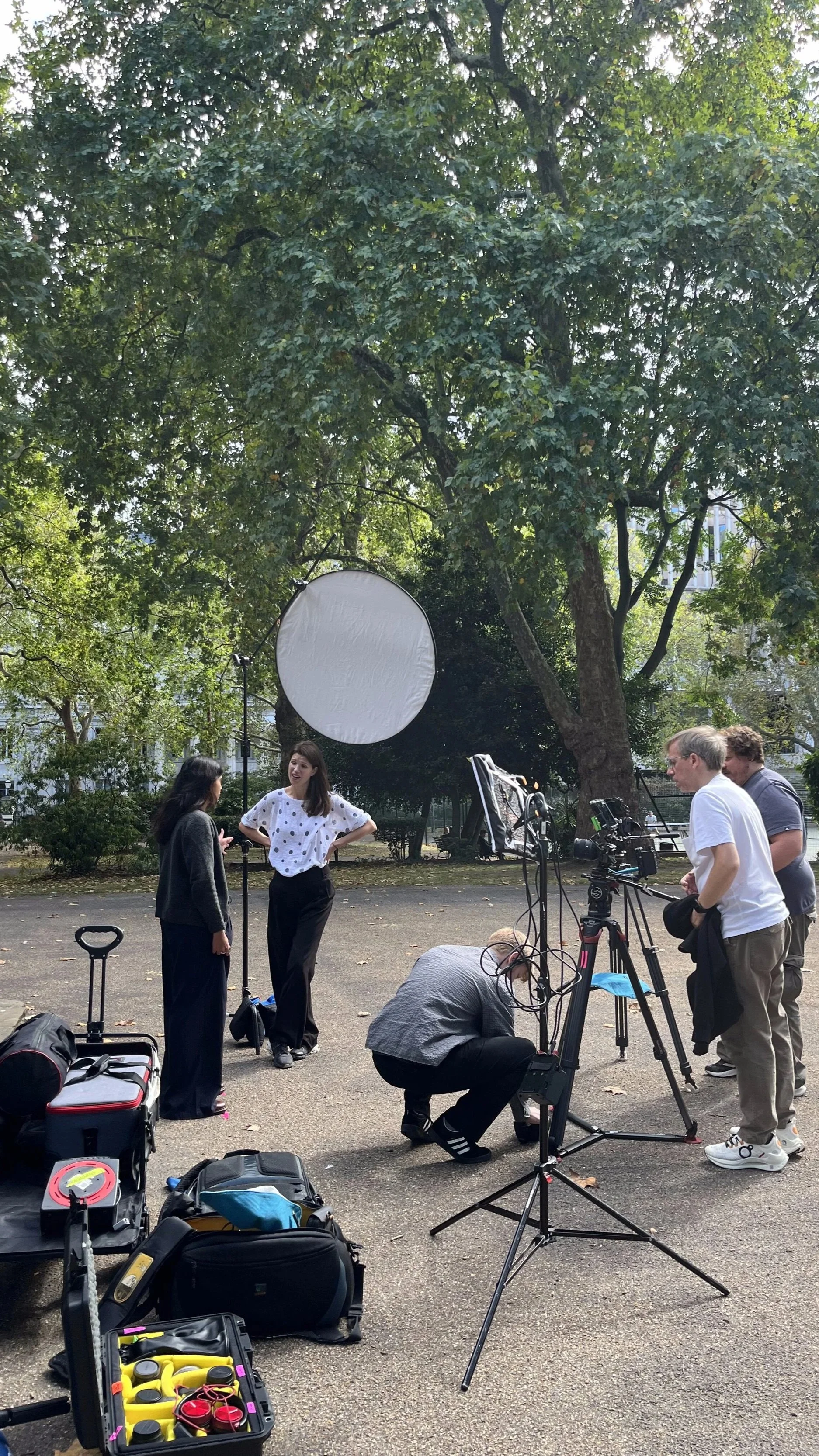
It did give us another production headache though: filming outdoors in public spaces with a small team that couldn't control the surroundings, whether that was the weather, the noise, or the bystanders wanting to know what's being filmed and why. More pertinently, it can stop people dropping their guard and opening up with their stories.

Hunting for Friction
Back to the nice problem. If every contributor says the scheme is wonderful, you don't have a story, you have an advert. So in every interview I went looking for the "but there was a problem".
And once we dug, there was plenty of grit in the stories. Unlocked launched on the day of the biggest prison riot in years, and the founders worried no one would apply. Graduates' friends gave them a fortnight before quitting. Parents were spitting out their cornflakes when they chose HMP Wandsworth over Amazon. On one group's first day, a senior officer refused to shake their hands because of the route they'd taken into the job.
Those moments are what make the praise believable. You need to see the doubt before you trust the payoff. If I did it again, I'd find more doubters who were converted: a politician or a governor who thought this was a mad idea, saying so on camera and then admitting to eating their words later on.
From 3 Hours to 13 Minutes
At one point we had a three-hour assembly edit. The target was ten minutes.
This is where the thesis paid off. I broke everything into chapters and pulled the best handful of lines for each. That turned fifteen minutes on a single topic into forty-five seconds. Then I'd step back and move whole chapters around to see where they hit hardest. Close in, then far out, then close in again.
That got us to twenty minutes, and Unlocked's notes got us to sixteen. But it was still a series of people telling their stories one at a time, and it didn't sing. For a film about sending bright-eyed graduates into extremely hostile situations, it was stone cold boring.
The turning point was a note from Thom: stop letting contributors speak for so long, stop telling three stories one after another, and instead tell them all at once. Bounce between voices. Let one person set up the next, or even contradict them. Once we did that, the edit began to come alive, finding all sorts of new connections. A line about applications flooding in becomes the cue for a run of graduates introducing themselves, and suddenly it's fun to watch.
Finding Our Master of Ceremonies
There was one final ingredient we were missing.
Late in the edit, it was clear we needed a voice to hold everything together, to propel the narrative. We didn't want an official spokesperson reading out the company line, and a seasoned voiceover artist and a studio weren't in the budget, so we looked inside the organisation instead.
What we found was better than anything we could have hired. Our narrator, Godfrey, had been through the whole system: arrested, imprisoned, released, and now back working for Unlocked. Every part of the story was his story too. I wrote the script after the shoot, he recorded it in one short session a few days before the event, and he nailed it. My only regret is not giving him more lines.

He changed the tone of the whole film. It stopped being reflective and started making demands of the audience: sit up, listen, this is what happened, what do you think about it? I started thinking of him as the film's MC, and the music followed. Unlocked's earlier films had used hip-hop to surprisingly good effect, so we leaned into it, with breakbeats, needle scratches, and the record stopping and starting again. We ended up with seven or eight tracks, sequenced almost like an album to nod along to as you watched.
Being Unreasonable
At the big ten-year anniversary evening, the lights went down, a hush went round the room and the production team and I got to watch the 'premiere' of the film alongside hundreds of the proud graduates, an experience you don't always get when you hit export and send the finished file off to the client. But that wasn't what stuck with me most on the night.
That came from Unlocked's inspirational CEO Natasha Porter, who challenged the room to keep the spirit of the programme alive by being more unreasonable about the standards of our prisons. And it's good advice for anyone commissioning a film about themselves too.
It's a nice problem to have. But it's still a problem. The people who love your organisation are your best advocates, and your biggest risk. Let the film and the contributors admit what was hard, and the rest becomes believable.